
Facade Repairs After Inspection in NYC, Built Around Your QEWI's Findings
Facade repairs after inspection turn the SWARMP and Unsafe items in your FISP report into finished work. The repairs themselves are handled by our licensed and insured team, while your licensed partner QEWI checks the work and files the amended report that brings the facade back to an accepted status with DOB.
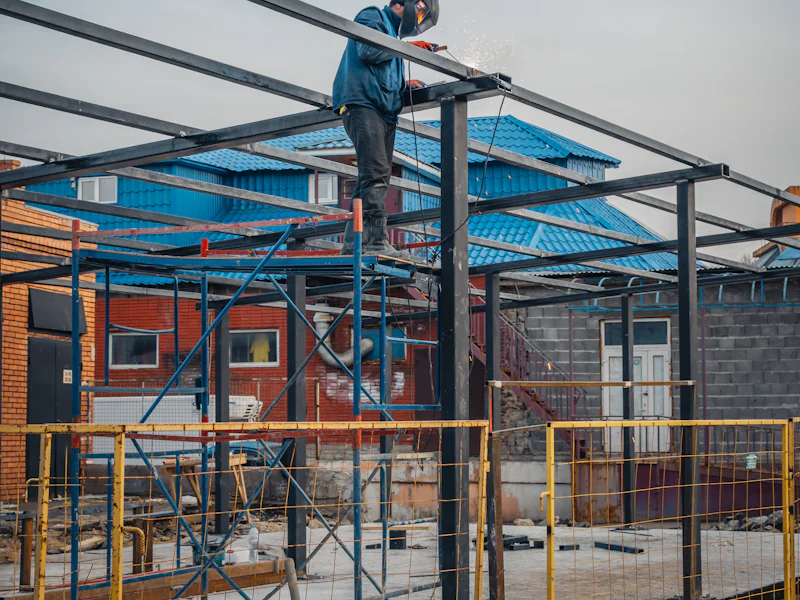
Buildings That Need NYC Local Law 11 Repairs After the Exam
Owners Under an Unsafe Shed
Buildings racing the 90-day clock with protection already standing over the sidewalk.
Managers With SWARMP Dates Ahead
Property managers who want the work done well before the dates in the report.
Buildings With the Exam Rig Still Up
Owners who want repairs started while the stage from the inspection is still hanging.
SWARMP and Unsafe Repair Deadlines After a FISP Filing
Once a FISP report is filed, every SWARMP and Unsafe line becomes a repair with its own deadline. Unsafe conditions need public protection right away and a correction within 90 days, and FISP1 and FISP2 requests cover a job that runs longer. SWARMP conditions must be fixed by the date the QEWI wrote, which falls one to five years out. DOB also expects each repair to treat the cause, so a crack gets traced back to the rusted lintel or trapped water behind it.
Small jobs such as repointing go ahead without plans, while lintel, shelf angle and parapet rebuilds need construction documents from a registered architect or engineer and a DOB work permit. The shed or stage carries its own permit, and a shed permit now lasts only 90 days before renewal. When the Unsafe work is done, the QEWI reviews it and the amended report is due within two weeks, and protection is removed after DOB accepts a Safe or SWARMP status.
FISP Repair Work Our Crews Handle on NYC Facades
Each item below matches a condition QEWIs often list in the technical report.
- Brick Repointing and Rebuilds. Open joints raked and refilled, and bulging sections taken down and relaid with new ties.
- Lintels and Shelf Angles. Rusted steel above windows and at floor lines cleaned, coated or swapped, with flashing restored.
- Concrete and Balcony Slabs. Spalled edges cut back to sound concrete, the rebar treated and the profile rebuilt.
- Parapets and Copings. Cracked copings reset and loose parapet brick rebuilt so the roof edge stays tight.
- Stone and Terra Cotta. Cracked units pinned, patched or swapped for matched pieces where the damage runs deep.
- Sealant and Window Perimeters. Old caulk cut out around windows and joints and fresh sealant run to keep water out.
- Fire Escapes and Railings. Corroded treads, brackets and anchors repaired or replaced, then primed and painted.
- Attachments on the Wall. Air conditioner brackets, signs, antennas and old fixtures secured or taken off.
How Post-Inspection Facade Repairs Move From Bid to Sign-Off
Report Priced
We go through the filed report and price each SWARMP and Unsafe line.
Permits and Access
Plans, work permits and shed or stage filings go into DOB NOW.
Repairs on the Wall
Our crews fix each item and log it with dated photos.
QEWI Close-Out
Your partner QEWI checks the work and files the amended report.
Repairs Each FISP Rating Calls For, Safe to Unsafe
The rating on each line sets how fast the work has to happen and what closes it out.
Safe Conditions
Maintenance between cycles
- Follow the maintenance plan the QEWI left, such as resealing joints and keeping drains clear.
- Light upkeep of this kind usually needs no DOB permit.
- Small wear fixed now keeps the wall from earning a SWARMP line next cycle.
SWARMP Conditions
Due by the date in the report
- Finish each repair by the SWARMP date the QEWI set.
- Group the work with other items while access is already in place.
- An item left open is reported as Unsafe next cycle and draws a penalty.
Unsafe Conditions
Protection now, repairs in 90 days
- Public protection is installed right away and remains until DOB has accepted the amended report.
- Repairs are due in 90 days, with FISP1 and FISP2 requests for longer jobs.
- Each fix must address the cause, not only the visible damage.
Your QEWI Signs Off, Our Crews Do the Repairs
Licensed Partner QEWI
- Reviews the repair scope against each condition in the report.
- Checks the finished work before an Unsafe line is signed off.
- Files the amended report and any FISP1 or FISP2 requests.
Our Repair Crews
- Carry out masonry, concrete, steel and sealant work as licensed and insured crews.
- Hang stages and pipe scaffold under a DOB-licensed rigger.
- Keep the dated photos and logs your QEWI needs for the amended filing.
What NYC Owners Line Up Before Facade Repair Work Starts
Five things help our crews start work on the first day.
The Filed Report
Every page, with the photos and the QEWI’s location plan.
Roof and Setback Keys
Entry to the roof, bulkhead and any terraces where stages tie back.
Resident Notices
Letters for units beside the work, sent a week or two ahead.
Original Drawings
Plans or past repair records showing lintels, ties and how the wall is built.
Neighbor Agreements
Signed consent when rigging or protection has to sit on the next roof.
Have SWARMP or Unsafe items on a filed FISP report? Upload it on the contact page so we can price every line and plan the access.
Facade Repair Cost Drivers After a FISP Inspection in NYC
| Factor | How It Affects Cost |
|---|---|
|
Access Method |
A swing stage costs less to hang than pipe scaffold, and boom lifts suit low walls and short runs. |
|
Number of Unsafe Items |
More Unsafe lines mean longer protection, more permits and more crew days. |
|
Material Match |
Custom brick, cast stone and terra cotta take longer to source than stock units. |
|
Permits and Plans |
Work that needs drawings and a DOB permit adds design time before crews start. |
|
Season and Building Height |
Cold weather limits mortar work, and taller walls need more drops and longer rigs. |
Facade Repair FAQs for Buildings With SWARMP or Unsafe Items
No. Each building files inside the sub-cycle set by the last digit of its block number, so repairs close out report items but leave the filing window where it was.
Not for compliance. The QEWI's maintenance plan still lists upkeep like resealing joints, and doing it between cycles keeps small wear from growing into a SWARMP item.
Work pauses at that spot and the QEWI is called out to look. Hidden damage that is Unsafe gets reported to DOB and protected at once, and the added scope is priced before crews carry on.
A registered architect or engineer, often the same partner QEWI, prepares the construction documents and files them in DOB NOW Build. Repointing and small brick swaps are exempt, while lintel, shelf angle and parapet rebuilds need plans.
Sometimes. A permitted swing stage or pipe scaffold can stay for the repairs when its permit and the rigger's plan cover that work. A single-rope setup cannot, because rope access is limited to inspection and light, non-destructive tasks.
Often, yes. Protection, permits and stages are already in place, so adding the SWARMP lines costs far less than rigging the same wall again a few years later.
Shed permits now last 90 days, and renewals call for proof that the repair work is moving. When a shed covers an Unsafe facade, plans are due within 5 months of the first shed permit, a work permit within 8 and finished repairs within 2 years, or penalties ranging from $5,000 up to $20,000 apply.
Yes. FISP covers everything fastened to the exterior walls, so loose brackets, signs, antennas and old fixtures named in the report are secured or removed during the same job.
Next, Send Your FISP Report for a Repair Quote
Send the filed report and our team will price each SWARMP and Unsafe line, plan the access and set a schedule around your QEWI’s dates.