
Pre-FISP Facade Assessment in NYC Ahead of Your Filing Window
A pre-FISP facade assessment is a walkthrough by a licensed partner engineer, done months before the official exam. It points out which conditions would likely be rated SWARMP or Unsafe, so you can repair, budget and schedule while there is still time. We arrange the visit, any access it needs and the repair pricing that follows.
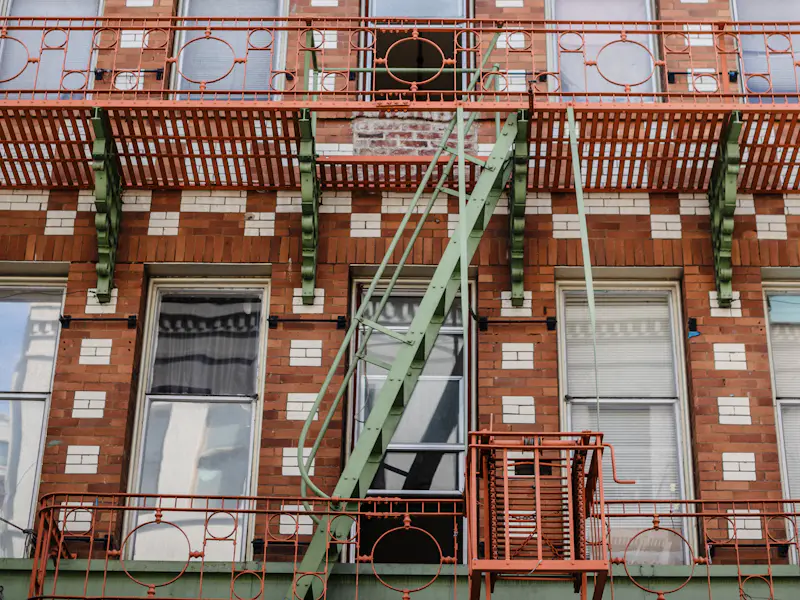
Who Should Book a Pre-Inspection Facade Assessment in NYC
Boards Building a Repair Budget
Co-ops and condos that need a realistic repair figure before the annual budget or a special assessment vote.
Owners Carrying Old Repair Dates
Buildings with items left from the last report that should be cleared before the next exam.
New Owners and Buyers
Recent purchasers who want to know what the walls hold before their first cycle under their name.
What a Pre-FISP Facade Assessment Tells You
A pre-FISP facade assessment is an early, unofficial look at the exterior walls. A licensed partner engineer reads the last technical report, walks the roof and setbacks, views the walls from windows and the street, and marks each concern as likely Safe, SWARMP or Unsafe. Nothing is filed with DOB, so owners get the findings privately and decide what to fix before the critical examination that does get filed.
Timing is what makes it useful. Sub-cycle 10B buildings have been able to file since February 21, 2026, and the 10C window opens on February 21, 2027. An item that is still Unsafe on exam day brings public protection at once and a 90-day repair clock, with civil penalties after that unless DOB grants an extension. Finding it a season earlier lets the work happen on your schedule instead.
What the Pre-FISP Walkthrough Covers and the Findings You Receive
Each assessment ends with findings you can act on, not just a list of worries.
- Prior Report Review. The last FISP report, its repair dates and any amended filings read before anyone walks the roof.
- Violation and Permit Check. Open DOB violations and facade permits pulled so nothing on file comes as a surprise.
- Roof and Parapet Walk. Copings, roof-level railings and bulkheads seen at arm's length.
- Window and Terrace Views. Walls studied from selected apartments, terraces and setbacks.
- Targeted Close Looks. A short drop or lift at problem spots when the engineer wants one.
- Photo Log With Locations. Each concern photographed and pinned to its elevation.
- Likely Rating Notes. Every item marked as likely Safe, SWARMP or Unsafe, with the reasoning behind it.
- Repair Scope and Budget. A priced plan from our team for anything worth fixing before the exam.
Four Steps From First Call to a Facade Repair Budget
Records Pulled
We gather the last report, permits and open violations for your address.
Walkthrough Booked
A licensed partner engineer walks the roof, setbacks and key apartments.
Findings Explained
You get photos, likely ratings and a summary written in plain language.
Repairs Scheduled
Our crews price and time the work so it wraps up before the official exam.
Facade Condition Survey Checklist for NYC Buildings
These six checks catch most of the trouble that turns into SWARMP or Unsafe ratings.
Last Cycle's Repair List
Every repair date from the prior report checked off or flagged as still open.
Cracks and Bulges
Stepped cracks, bowed brick and displaced stone that point to movement in the wall.
Lintels Over Windows
Rust stains and cracked brick above openings where steel is swelling.
Parapets and Copings
Loose coping stones, open mortar joints and parapet sections leaning out.
Fire Escapes and Balconies
Corroded connections, loose treads and spalled slab edges.
Earlier Patch Work
Old repairs that failed, came loose or never matched a permit.
Who Walks Your Facade Before the FISP Exam and What We Arrange
Licensed Partner Engineer
- Walks the facade and judges each condition with a professional eye.
- Notes which items would likely rate SWARMP or Unsafe at the official exam.
- Flags any immediate hazard so protection can go up the same day.
Our Team
- Pulls the records and books the visit around your building's routine.
- Provides roof access, a lift or a short drop where a closer look is needed.
- Prices the repairs and schedules crews to finish ahead of the exam.
FISP Preparation Records and Access to Have Ready
Five things make the visit faster and the findings sharper.
Your Last Technical Report
The full filed report, including its photos and repair dates.
Repair Invoices and Permits
Proof of any facade work done since the last cycle.
Leak and Complaint Log
Resident reports of leaks, falling debris or new cracks.
Roof and Unit Access
Bulkhead keys and a few apartments on each side of the building.
One Decision Maker
A board member or owner who can approve a quick fix if a hazard turns up.
Not sure what your last report left open? Upload it on our contact page and we will flag the items still waiting on repairs.
How Pre-FISP Assessment Pricing Is Set
| Factor | How It Affects Cost |
|---|---|
|
Building Size |
More floors and elevations take longer to walk, view and photograph. |
|
Access Needed |
A roof-and-window walk costs less than one that adds a lift or a short drop. |
|
Records on File |
Missing past reports or open violations add research time before the visit. |
|
Facade Material |
Terra cotta, carved stone and cavity walls need closer study than plain brick. |
|
Report Detail |
A short summary costs less than a full photo log with marked elevations and a repair budget. |
Pre-FISP Facade Assessment Questions Owners Ask
No. It is optional. What the rule requires is the critical examination and the technical report a QEWI files during your sub-cycle window.
About six to twelve months before the planned close-ups, so repairs, permits and decent weather all fit before the exam.
No. It is a private report for the owner. Any hazard it turns up still has to be made safe, because city law requires every building to be kept in a safe condition at all times.
Often, yes. Many owners keep the same partner QEWI, so the early findings carry straight into the critical examination.
The QEWI rates what the walls show on exam day, so a properly finished repair appears as completed work rather than an open condition.
Netting or a shed is installed without delay and repairs get underway, since the duty to keep the facade safe applies now and not only at exam time.
Usually not. Most of it is done from the roof, windows and street, with a short drop or lift only where the engineer needs a closer view.
For older facades, yes. Five winters of freeze and thaw, leaks and settling can turn a Safe wall into a repair item.
Next, Keep Up With the Annual Parapet Observation
Any building with a street-facing parapet needs its own observation every calendar year, whatever its height, with each report kept on file for six years.